
ABOUT

History
Sarakichi’s official name is Sarashiya Kichibei, and the brand is named after Tomita Kichibei.
For generations, we have been dyeing Edo Sarasa and stylish Tokyo Komon.
Tomita Some-Kogei, the workshop that produces Sarakichi, is located near Omokagebashi Bridge on the Kanda River. The Omokagebashi Bridge was depicted in Hiroshige’s “One Hundred Famous Views of Edo,” where it was shown to be a drum bridge at the time.
The Sarakichi logo is inspired by that Omokagebashi Bridge.
The outer upper semicircle represents the bridge, while the bottom half represents its reflection on the water. When written in Japanese hiragana, the name “sarakichi” (さらきち) looks like a series of reversed characters. The attempt to make the logo symmetrical also gives it the appearance of a family crest.
SARAKICHI is a brand that creates new designs by blending the history and traditional techniques of kimonos with modern trends. We have expanded our product line beyond women’s scarves and stoles to include men’s items like Komon ties and Komon handkerchiefs.
In recent years, we have presented our work at international exhibitions such as Ambiente in Germany and Maison et Objet in Paris, receiving high praise from both domestic and international audiences. We aim to share the wonderful quality of our meticulously hand-dyed products and create a new worldview for traditional crafts.
SARAKICHI is a new fashion brand from Tomita Somé-Kogei, Tokyo, Japan. Tomita Somé-Kogei has been operating a traditional Japanese technique upon dyeing garment of kimono for more than 200 years. SARAKICHI produces scarves, pocket cheifs, ties, using with an exactly the same dyeing method as an old time but with contemporary touch in its design. They often collabotate with designers nationally and internarionally. Their aim is to create a new perception towards ’a tradition’ and transform ‘an old traditional style’ to something novel. These products are produced carefully all by hand and the quality is promised. Each item is absolutely unique and original.
In recent years, many products have been introduced at international media and trade shows. Tomita Somé-Kogei wishes to impart SARAKICHI products and this fine and delicate Japanese traditional technique to people, domestically and internationally.
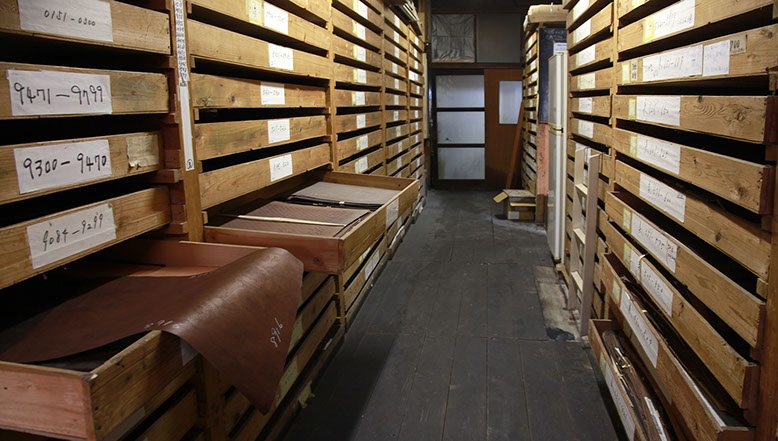
Historical Calendar
| 1882 | The first-generation Tomita Kichibei establishes a workshop in Asakusa Umamichi, Tokyo. |
|---|---|
| 1911 | The second-generation Tomita Ichibei obtains a patent for a stencil-based printing method, the precursor to modern screen printing. |
| 1914 |
The third-generation Tomita Yuhei and Waka move the workshop upstream along the Kanda River to its present location in Waseda. Waka develops a close relationship with author Chiyo Uno and creates the “Uno Chiyo Kozakura Kimono.” |
| 1949 | The fourth-generation Tomita Kosuke is named one of Japan’s “Contemporary Master Craftsmen” by the government. |
| 2006 | The fifth-generation Tomita Atsushi becomes the company president, holding various public positions. |
| 2012 | The SARAKICHI brand is launched. |
| 2022 | The sixth-generation Tomita Takashi becomes the company president. Tomita Atsushi is awarded the Order of the Rising Sun, Gold and Silver Rays and assumes the role of chairman. |
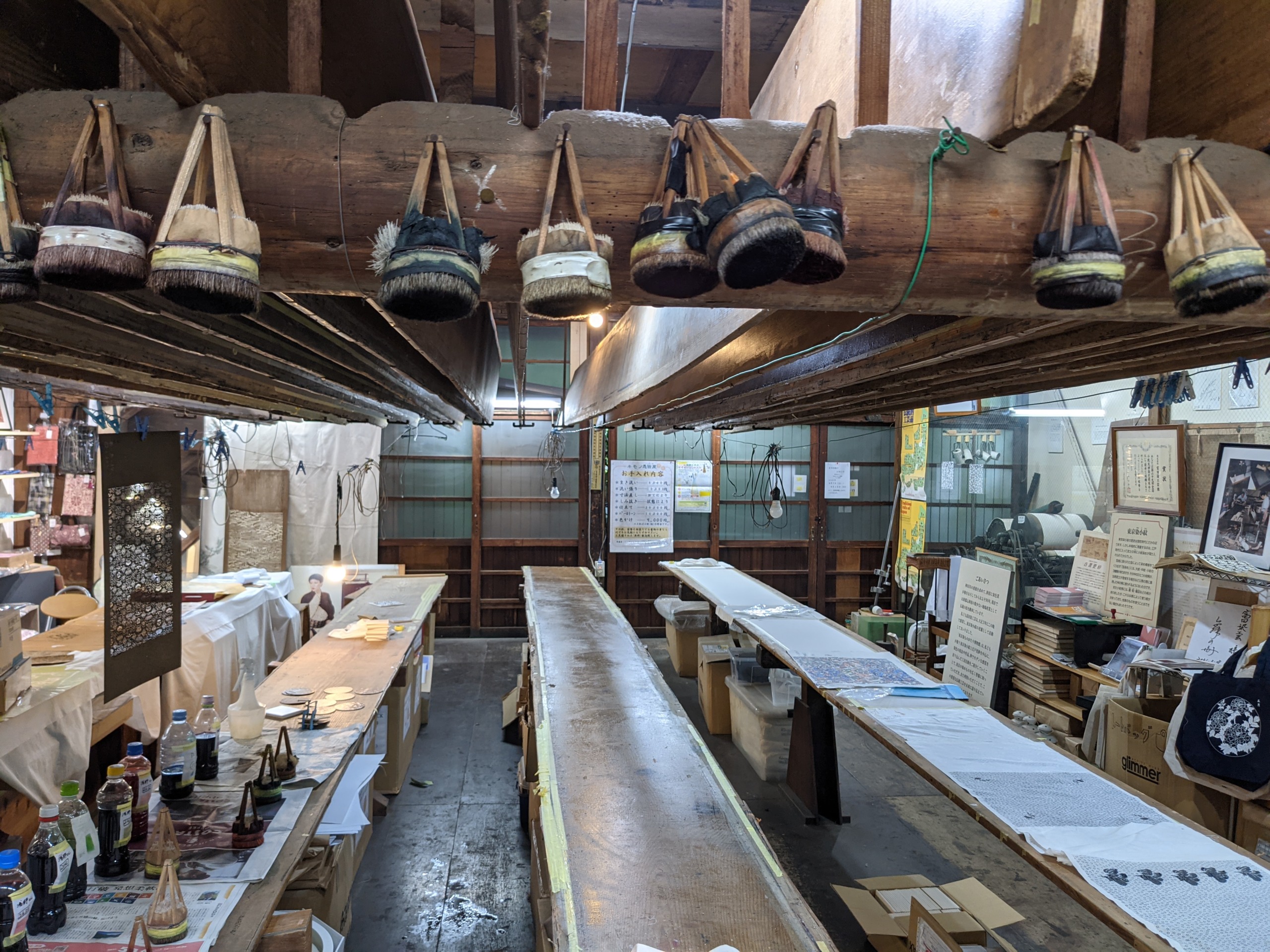
Continuously dyeing kimonos for over 130 years.
Sarakichi, a brand of fashion accessories from Tomita Some-Kogei.
Sarakichi aims to create new styles by blending the history and traditional techniques of kimono dyeing with modern trends.
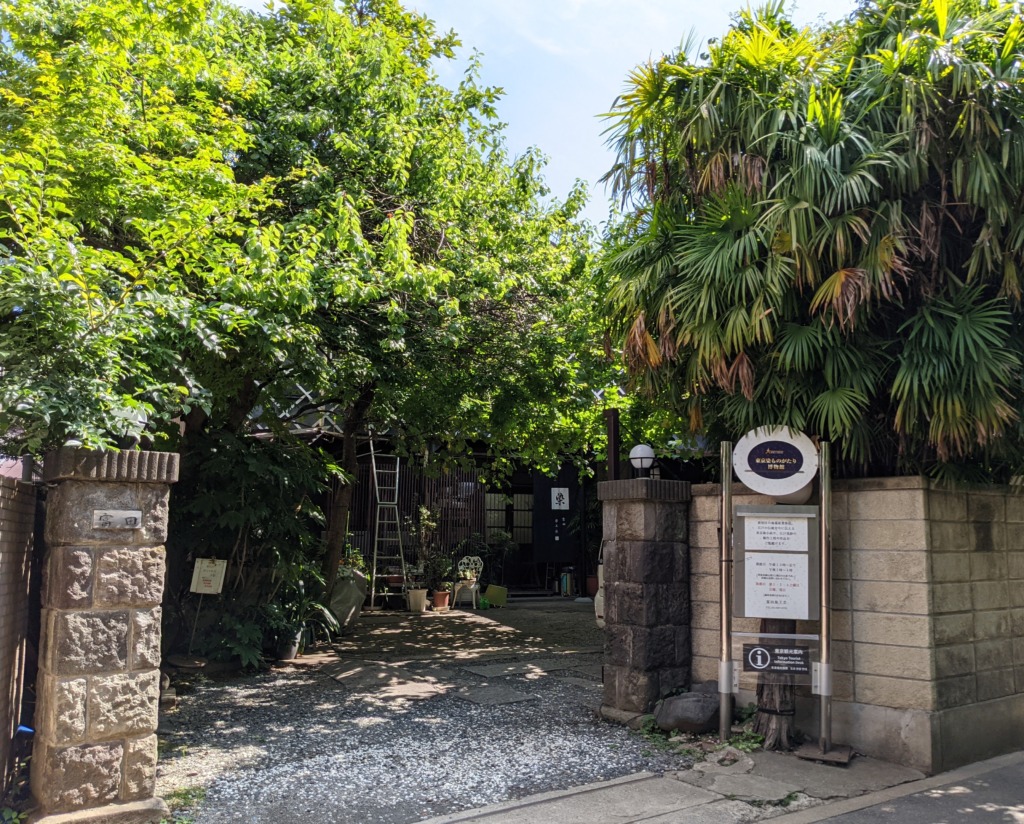
Tokyo Dyeing Story Museum
The Tokyo Dyeing Story Museum, located within our factory, aims to widely introduce the art of Tokyo dyeing to the public. Focusing on the Tokyo Some-Komon and Edo Sarasa that we specialize in, the museum showcases dyeing techniques, works of art, and the sophisticated, modern sensibility of Tokyo’s dyeing culture. Our hope is to pass on this valuable traditional craft to future generations.
You can also purchase SARAKICHI products at the museum’s shop.
Company
SARAKICHI(さらきち)
Tokyo Dyeing Story Museum
- Representative: Atsushi Tomita
- Address: 3-6-14 Nishi-Waseda, Shinjuku-ku, Tokyo 169-0051
- Phone: 03-3987-0701 Fax: 03-3980-2519
- Hours: Weekdays 9:00 AM – 12:00 PM /
1:00 PM – 4:00 PM
- Email: tomisen@mtj.biglobe.ne.jp
- ・Otonami (Special experience reservations))
- ・Tokyo Te-Shigoto
1:00 PM – 4:00 PM
By Train
- JR Yamanote Line, Seibu Shinjuku Line, Tokyo Metro Tozai Line:
15-minute walk from Takadanobaba Station. - Tokyo Metro Fukutoshin Line:
10-minute walk from Nishi-Waseda Station.
By Toei Bus
- From Kansen-en-koen-mae bus stop: 3-minute walk.
By Toden Arakawa Line
- From Omokagebashi Station: 2-minute walk.
Parent Company
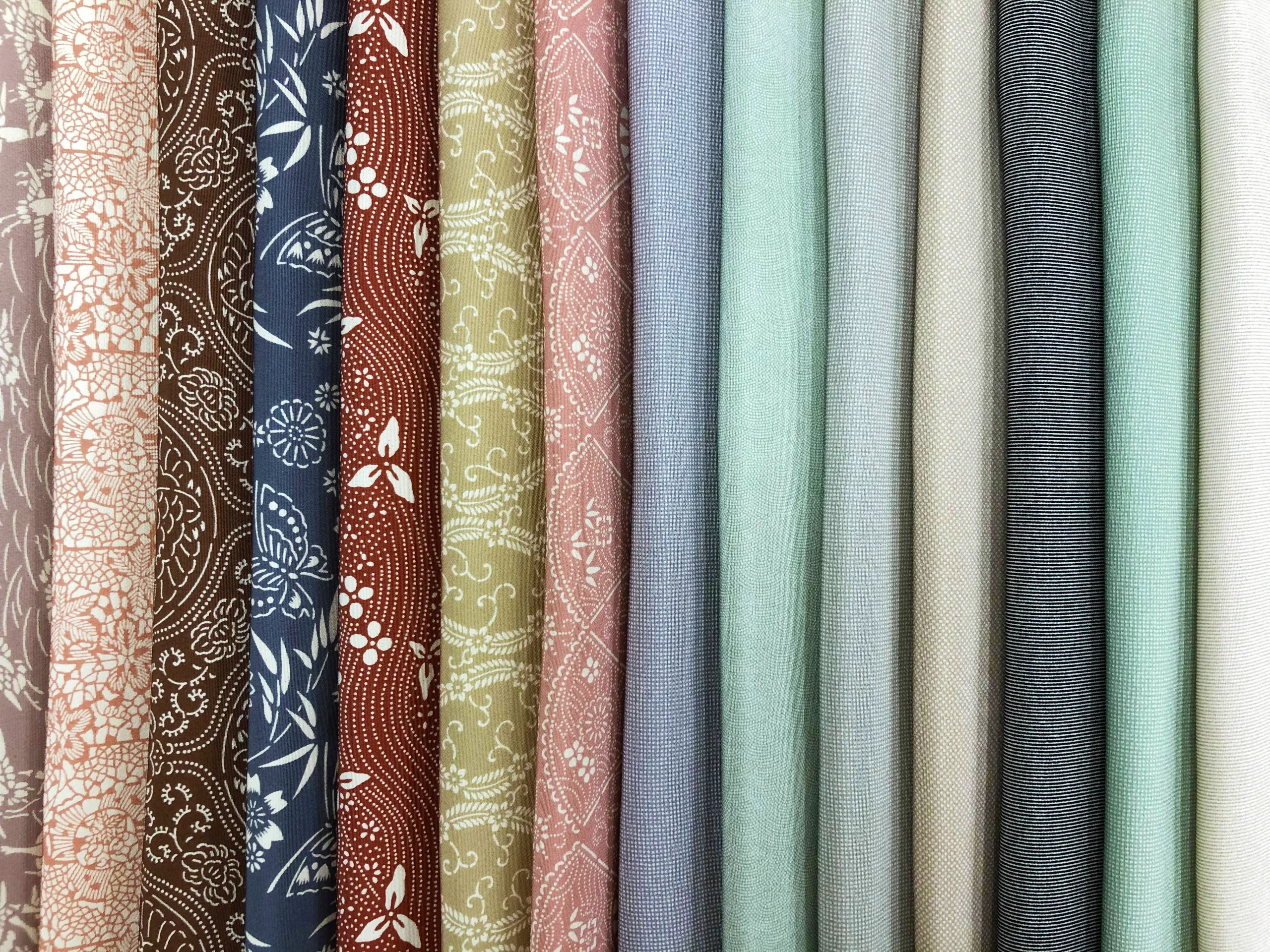
Tomita Some-Kogei Co., Ltd.
Techniques and Skills Passed Down Since the Edo Period
When the Tokugawa shogunate was established by Ieyasu Tokugawa, Edo became one of the largest cities in the world. The kimonos worn by its residents were dyed with various patterns, such as Komon, famously worn on samurai’s ceremonial garments, and Sarasa, which originated in the Middle East. Many dyers set up workshops in areas like Kanda and Asakusa, which had an abundant supply of high-quality water essential for dyeing.
However, after the Meiji era, the rivers became noticeably polluted. Seeking clean water suitable for dyeing, dyers moved upstream along the Kanda River to Edogawabashi and Ochiai. Tomita Some-Kogei was founded in its current location in 1914. Since then, numerous dyeing and related businesses have gathered along the Kanda River and its tributary, the Myoshoji River, preserving the traditions of Edo as a local industry in Shinjuku.